The Best Time of Year to Schedule Pest Control Services in Warren County
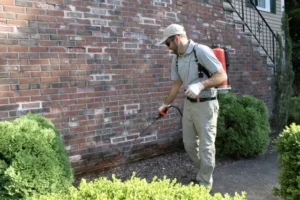
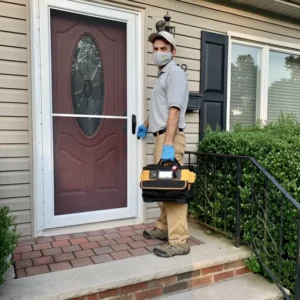
Timing matters more in pest control than most homeowners realize. People often call after they see a trail of ants in the kitchen, hear scratching in the attic, or spot a wasp nest growing under the eaves. That response is understandable, but it is rarely the most efficient or least expensive way to deal with pests. In Warren County, where the seasons bring humid summers, cold winters, wet springs, and the kind of fall weather that pushes wildlife toward warm shelter, the best results usually come from planning ahead.
After years of seeing how infestations build, stall, and flare up again with the weather, one thing stands out. The best time to schedule service is not a single date on the calendar. It depends on what you are trying to prevent, how your property is built, and whether your biggest risk comes from insects, rodents, or moisture-loving pests that follow plumbing and damp crawl spaces. Still, there is a strong general rule: spring is the most strategic season for preventive treatment, and fall is a close second for exclusion and rodent control.
That answer sounds simple, but the real story is more useful when you break it down by season.
Why spring is usually the smartest time to start
For most homes in Warren County, early spring is the window that gives you the most control for the least disruption. As temperatures rise, insects that slowed down or overwintered begin to move again. Ant colonies become active. Termite swarmers emerge. Wasps start scouting for nesting sites. Spiders shift with the insect activity around them. If you treat before populations fully establish themselves around the structure, you interrupt the season before it gains momentum.
This matters because pest pressure often builds quietly. A homeowner may not notice anything unusual in March, then suddenly have ants by late April, yellowjackets by June, and occasional roach sightings during the hottest stretch of summer. That pattern is common. The pests were active long before they became visible.
Spring service also gives technicians the best chance to inspect the property under relatively favorable conditions. Vegetation has not yet exploded around the foundation. Mud tubes, entry points, wood damage, and grading issues are easier to see. In many yards, standing water problems that developed over winter are still obvious enough to correct before mosquito season ramps up.
For preventive Pest Control Services Warren County homeowners often benefit most from treatments scheduled between early March and late May, depending on weather. A mild winter can pull activity forward. A cold snap can delay it. The point is not the exact week. The point is catching pests at the beginning of their active cycle instead of after they are well established.
What spring catches before summer gets expensive
A good spring visit does more than apply product. It sets the tone for the rest of the year. That is especially true for:
- ants beginning to forage indoors
- termite swarmers and early signs of colony activity
- paper wasps scouting eaves, shutters, decks, and sheds
- spiders feeding on the first wave of insect activity
- mosquitoes breeding in pooled water around gutters, low spots, and containers
Each of those problems tends to become harder to manage once warm weather is fully established. A tiny paper wasp nest in April is a quick fix. A mature nest tucked into a porch ceiling in July is a different call altogether. The same principle holds for ants. A few scouts can often be handled with targeted treatment and sanitation adjustments. Once multiple foraging lines are established, the work becomes more involved.
I have seen this play out on properties with beautiful landscaping that sits tight against the foundation. In spring, the beds are still manageable and inspection is straightforward. By midsummer, dense shrubs and heavy mulch create a protected highway for ants, spiders, and earwigs. Nothing about the home changed overnight. The seasonal timing did.
Summer is the busiest season, but not always the best season to begin
Summer is when most people think about pests, mainly because it is when they see them. It is also when pest control companies are often handling their highest call volume. That does not mean summer is a bad time to schedule service. It means summer service is often reactive rather than preventive.
By June, July, and August, Warren County homes are more likely to deal with active infestations, especially where heat, moisture, and food sources overlap. Kitchens draw ants. Outdoor gatherings attract stinging insects. Humid basements and crawl spaces support silverfish, centipedes, and other moisture pests. Mosquito populations peak where drainage is poor or where birdbaths, toys, planters, and clogged gutters hold water.
Summer treatment can still be very effective, but expectations should be realistic. If the issue has been building for months, one visit may not fully solve it. Follow-up service, sanitation changes, trimming vegetation, sealing gaps, or moisture correction may all be part of the solution. That is not a sign that treatment failed. It is the nature of dealing with a problem after it has matured.
This is also when homeowners sometimes underestimate the impact of weather. Heavy rain can alter insect movement. Heat waves can drive pests indoors in search of water. Drought conditions can make ants more aggressive around sinks and bathrooms. A very wet summer can lead to a spike in mosquitoes and occasional invaders around doors and windows. Good pest control adjusts to those patterns, but timing still matters. Starting in spring usually means fewer emergency calls in summer.
Fall is prime time for rodents and exclusion work
If spring is the best season for broad insect prevention, fall is the best season to protect the structure from mice, rats, and overwintering pests. As nights cool down in Warren County, rodents start testing the edges of homes, garages, and sheds. They do not need much space. A gap around utility lines, worn weatherstripping, a construction joint, or a garage door that no longer seals tightly can be enough.
What makes fall so important is that rodents are not simply wandering at random. They are looking for heat, shelter, and reliable food. Once they settle into an attic, wall void, crawl space, or basement, the problem tends to grow. A scratching sound in November can become droppings in a pantry or shredded insulation by January.
Fall is also when stink bugs, lady beetles, cluster flies, and other overwintering pests begin congregating on sunny sides of structures and working into cracks and gaps. Homeowners sometimes think of these as harmless nuisances, but large numbers indoors are still frustrating, and prevention is much easier before they get inside.
The best fall Pest Control Services Warren County appointments often combine treatment with exclusion. Exclusion means physically closing entry points and correcting conditions that make the home easy to invade. Product alone is rarely enough for rodents. If a technician can identify the weak spots while temperatures are still mild, repairs are usually simpler than they would be in deep winter.
Winter is underrated for inspection and correction
Winter does not get much attention in conversations about pests, but it has real value. Insect pressure is often lower, which allows more focus on structural issues, rodent evidence, sanitation patterns, and moisture concerns that have been hidden by warmer-season activity. If you hear movement in the walls or attic during winter, that is a good reason to schedule service right away. Rodents are active all year, and winter often makes their presence more obvious.
This is also a useful season for detailed inspections of basements, utility penetrations, garage transitions, crawl spaces, and attic access points. Without leaf growth and ground clutter, parts of the exterior can be easier to assess. Homeowners who wait until spring to address a winter rodent issue sometimes lose months of valuable control time.
That said, winter is rarely the ideal moment to start a general preventive insect program if you had the option to begin earlier. It is more of a corrective and planning season. If your home has had recurring issues, winter can be the best time to map out a proactive schedule for the coming year.
The pest matters as much as the month
A common mistake is asking for the best time of year without naming the pest. Different pests follow different biological clocks, and good scheduling reflects that.
Termites are a clear example. People often associate termites with spring because that is when swarmers are commonly noticed. But termite risk is not limited to spring. Colonies remain active beyond the swarming window, and inspections are worthwhile any time of year. Still, spring is a smart season to inspect because swarm evidence can reveal nearby activity that might otherwise go unnoticed.
Mosquitoes are another case where waiting for a visible problem puts you behind. Once you are swatting adults every evening, breeding has already been underway. Properties with shade, poor drainage, nearby woods, and lots of containers benefit from service before summer habits begin.
Rodents peak in urgency during fall and winter, but I have seen plenty of summer calls where mice were already established in garages and utility rooms. Seasonal trends guide planning, but real properties do not always read the script.
Cockroaches deserve special mention because they are less tied to outdoor seasons than many homeowners assume. In apartment settings, food service spaces, and homes with hidden moisture or clutter, they can persist year-round. Timing helps, but inspection quality and follow-through matter more.
Warren County properties do not all behave the same way
A townhouse in a densely built neighborhood does not face the same risks as a farmhouse near tree lines, a newer subdivision lot with fresh sod, or a home backing up to woods and water. That is why generic advice only goes so far.
Homes near wooded edges often see more spider activity, more occasional invaders, and more pressure from carpenter ants or stinging insects nesting in landscape features. Properties with retaining walls, heavy mulch, and dense ornamentals create ideal shelter zones close to the foundation. Older homes may have more gaps, aging seals, and complex rooflines that attract overwintering pests. Newer construction can still have issues too, especially where grading traps water or where builders left unnoticed entry points around pipes and conduits.
One of the more predictable patterns in the area involves moisture. A damp crawl space, leaky hose bib, condensation around HVAC equipment, or clogged gutter runoff can support a whole chain of pest activity. You may first notice centipedes or silverfish and assume they are the core issue, when the real driver is chronic dampness. In those cases, the best time to schedule service is the moment you spot the condition, not simply when the season changes.
Signs you should not wait for the “right” season
Even though spring and fall are generally the best planning windows, some situations call for immediate service. Timing matters, but active infestations rarely improve on their own. If any of the following are happening, it is better to schedule now and sort out long-term prevention afterward:
- termite swarmers indoors or fresh mud tubes
- rodent droppings, gnaw marks, or scratching in walls or ceilings
- wasp activity around entry doors, soffits, or children’s play areas
- repeated ant trails despite cleaning and over-the-counter products
- visible roach activity, especially in kitchens, basements, or multi-unit buildings
These are not watch-and-wait issues. A delay of even a few weeks can turn a manageable problem into a larger one.
Why over-the-counter timing advice often misses the mark
A lot of homeowners try to line up pest control with what they see on store shelves. Baits appear in spring, mosquito sprays in summer, rodent products in fall. That seasonal merchandising is not wrong, but it creates the impression that treatment starts when pests are visible. In practice, professionals are often trying to get ahead of that curve.
Another limitation of store-bought timing advice is that it assumes every property has the same pressure. Two homes on the same road can behave very differently. One may have chronic ant issues because of mature trees touching the roof and mulch piled against siding. Another may stay relatively quiet until a drought pushes insects indoors. The calendar matters, but the conditions on the property matter more.
A well-timed professional service usually includes more than application. It involves inspection, identification, strategy, and recommendations that fit the site. Sometimes that means treatment right away. Sometimes it means advising the homeowner to trim back vegetation, fix drainage, seal a gap under a garage door, or remove a woodpile stacked against the house. Those practical details often determine whether the service holds.
How to build a useful yearly schedule
The most sensible approach for many homeowners in Warren County is not a single annual visit but a seasonally aware plan. That does not always mean frequent service. It means matching service to known pressure points.
For a typical single-family home with no active infestation, a practical rhythm often looks like this. Start with a spring preventive visit focused on inspection and the pests that emerge with warming temperatures. Add a summer follow-up if mosquito pressure, stinging insects, or recurring exterior activity is a known issue. Use fall for rodent prevention and exclusion. Keep winter available for inspection if noises, droppings, or hidden conditions appear.
Some homes need less. Some need more. A condo with limited exterior exposure may need a simpler plan. A wooded property with a crawl space, detached outbuildings, and a history of mice may benefit from regular monitoring.
The best providers of Pest Control Services Warren County residents can hire will usually avoid one-size-fits-all promises. They will ask about the age of the home, prior infestations, pets, children, moisture issues, landscaping, and what you are seeing now. That kind of conversation is a good sign. It means they are thinking about timing in context, not just filling a slot on the calendar.
A few practical ways to get better results from the visit
The success of seasonal pest control depends partly on what happens before and after the technician arrives. Homeowners can make the service far more effective with a bit of preparation.
Clear access to baseboards, attic hatches, crawl space doors, and utility areas if the technician needs interior inspection. Cut back vegetation that rests on siding or blocks the foundation line. Fix obvious moisture sources when possible. Store food in sealed containers, especially in garages and basements where people tend to keep pet food or birdseed. If rodents are the concern, note where droppings were found and when noises are most noticeable. Details like that help narrow the problem quickly.
One small but important point, do not confuse fewer sightings right after weather changes with a solved problem. A cold front, heat spike, or heavy rain can temporarily alter pest behavior. Good timing means looking at the season as a whole, not just the last three days.
So when should you actually book?
If you want the shortest answer, book preventive service in spring and schedule rodent-focused inspection Pest Control Services Warren County or exclusion in fall. That timing fits most Warren County homes because it aligns with how local pest pressure tends to develop. Spring gets ahead of insects before populations crest. Fall closes the gaps before mice and overwintering pests settle in.
If you are already seeing active signs, book as soon as the issue appears, regardless of the season. Waiting for the “ideal” month can cost more than it saves.
There is also a practical scheduling reason to act early. The best appointment windows fill up quickly, especially after the first warm stretch in spring and the first cold nights in fall. Homeowners who plan ahead usually have more flexibility, better access to follow-up if needed, and less chance of getting caught in the seasonal rush.
The real advantage of timing is not just convenience. It is leverage. When you schedule pest control before the problem peaks, you give the treatment, the inspection, and the corrective work room to succeed. In a place like Warren County, where the seasons are distinct and pest behavior follows them closely, that head start makes all the difference.
Affordable Pest Solutions LLC
Budd Lake, NJ 07828 (service-area business)
Serving Warren, Morris and Sussex Counties, New Jersey
Phone: +1 973-229-9547
FAQ About Pest Control Services Warren County
How much does pest control cost in NJ?
The cost depends on the pest, the size of the property, the extent of activity and whether follow-up visits are needed. Ask for an inspection and a written estimate that explains the treatment scope and any ongoing service charges. Affordable Pest Solutions offers free estimates for properties in its service area.
What are the most common household bugs in New Jersey?
Ants, cockroaches, stink bugs and spiders are among the pests that residents may encounter in New Jersey homes. Activity varies by season, moisture conditions and available entry points. Correct identification helps determine whether exclusion, sanitation, monitoring or professional treatment is appropriate.
What kind of bugs infest homes?
Ants, cockroaches and termites can establish persistent activity in or around homes. The signs and appropriate response differ by pest: trails, droppings, shed wings or damaged wood may warrant closer inspection. A pest professional can identify the cause and recommend a plan suited to the property.