Signs You Need Professional Pest Control Services in Sussex County

A few ants on the counter do not always mean you need to call in help. A single wasp near the porch light is not necessarily a crisis either. But there is a clear point where a nuisance becomes a property problem, and where a property problem starts threatening health, safety, or structural damage. That line is often crossed quietly.
In Sussex County, pest activity tends to follow the rhythms of local weather, housing styles, and land use. Homes tucked near woods, wetlands, farmland, or shore areas often see more pressure from insects and rodents than owners expect. Crawl spaces stay damp longer. Seasonal residents may miss early warning signs. Older homes with gaps around utility lines, aging foundations, and weathered trim give pests easy access. Even well-kept properties can develop an issue before the owner realizes anything is wrong.
The challenge is not simply spotting a pest. It is understanding when the pattern tells you this is bigger than a can of spray or a few traps from the hardware store. Professional intervention is not about overreacting. It is about recognizing when the hidden part of the infestation is likely much larger than the visible part.
When pests keep coming back after do-it-yourself treatment
One of the clearest signs you need professional help is recurrence. If you treat for ants, roaches, mice, or stinging insects and they return within days or weeks, the problem was never fully resolved. Most store-bought products are designed to reduce visible activity, not eliminate the source. That distinction matters.
Take ants, for example. Homeowners often spray the trail they can see near a windowsill or sink. The ants disappear for a day or two, then another trail appears in a different room. What happened is simple. The workers you sprayed were a fraction of the colony. The nest remained active, and the colony rerouted. In some cases, repellent sprays make the issue harder to solve because they scatter part of the population into wall voids or adjacent areas.
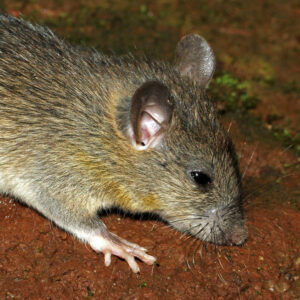
Rodents behave the same way. You might catch one mouse in a snap trap and feel relieved. Then you hear scratching in the attic again two nights later. Mice reproduce quickly, and they rarely enter through just one obvious hole. If the access points are still open and the nesting area remains undisturbed, trapping a few individuals does not change the conditions that allowed the infestation.
This is where experienced Pest Control Services Sussex County homeowners rely on become important. A trained technician is not just treating what appears. They are reading the pattern, identifying likely entry routes, locating moisture, food, and shelter, and matching the treatment to the species and life cycle.
Droppings, gnaw marks, and greasy rub lines are showing up indoors
Physical evidence often tells the story long before you see the animal itself. Rodent droppings under sinks, in pantries, near water heaters, or along basement walls are especially significant. Fresh droppings are usually dark and soft, while older ones dry out and become brittle. If you keep finding new droppings after cleaning, you have active movement in the building.
Gnaw marks are another serious warning. Mice and rats need to chew constantly to manage tooth growth. They will damage food packaging, stored boxes, wood trim, drywall corners, and in some cases electrical wiring. I have seen homeowners dismiss a small chewed corner on a cereal box, only to later discover insulation torn apart in an attic and several nesting sites behind stored holiday decorations.
Rub marks can be subtle but useful. Rodents often travel along the same routes, hugging walls and beams. Over time, the oils in their fur leave smudges or greasy tracks. If those marks are appearing in a basement, garage, or attic, the population is usually established enough to have regular traffic patterns.
At that stage, the issue has moved beyond the occasional intruder. It suggests a sheltering and breeding problem that calls for exclusion work, sanitation guidance, and a structured treatment plan.
You hear activity in walls, ceilings, or crawl spaces
Noises matter, especially at night. Scratching, scurrying, light gnawing, or a faint shuffling overhead often points to rodents. Buzzing inside a wall during warmer months can indicate bees, hornets, or yellowjackets nesting in a void. Homeowners sometimes describe the sound as intermittent, then admit that it has been happening for weeks.
That delay is common. People hope the noise will go away. Sometimes it does, briefly, then returns stronger. The reason is straightforward. Pests use quiet, protected spaces because those areas are ideal nesting locations. Wall voids, attics, and crawl spaces offer darkness, warmth, and little disturbance. If you are hearing activity in those areas, the infestation is no longer on the perimeter. It is inside the structure.
This is one of those cases where guessing can make the problem worse. A person who assumes mice may set traps, when the real issue is squirrels in the attic. Someone who sprays for wasps around an exterior vent may not realize the nest is deeper in the wall cavity. Different pests require different handling, and some, particularly stinging insects, can become dangerous when disturbed improperly.
There is visible damage to wood, insulation, or stored materials
Some pests announce themselves through damage rather than direct sightings. Termites are the classic example, but they are not the only concern. Carpenter ants, rodents, and certain beetles can all leave evidence that deserves professional evaluation.
With termites, warning signs may include blistered or hollow-sounding wood, mud tubes near foundations, bubbling paint, or doors that suddenly fit poorly because the wood around them has changed. The frustrating part is that termite damage often remains hidden until it becomes substantial. A homeowner may notice what looks like minor cosmetic warping and not realize the underlying wood has been compromised for months or even years.
Carpenter ants create a different pattern. They do not eat wood the way termites do, but they excavate it to create galleries. You might find small piles of coarse sawdust-like material, often called frass, near window frames, baseboards, or damp wood. In Sussex County, moisture-damaged trim, porch framing, and window components are common targets.
Rodents can be just as destructive in practical terms. Torn insulation, shredded paper, chewed plastic bins, and damaged ductwork all point to nesting. In attics, I have seen entire corners of insulation flattened and contaminated from repeated rodent activity. Once that happens, you are dealing with more than the animal presence itself. You may also be facing cleanup, odor control, and energy efficiency issues.
You are seeing pests during the day, not just at night
Many pests prefer darkness and minimal disturbance. That is why seeing them in daylight can be a warning sign, especially with roaches and rodents. If a pest that usually hides is active during the day, there is often a reason. The population may be large enough that competition is forcing movement at unusual times, or nesting pressure may be pushing activity into open areas.
Cockroaches are a good example. One roach in a garage is not the same as repeated sightings in kitchens, bathrooms, and laundry rooms during daylight hours. Roaches are highly adaptive, and they thrive where moisture and food are easy to access. If you are seeing them in the open during normal daytime activity, the hidden population is often much larger than people realize.
Daytime rodent sightings also deserve attention. Mice will often stay concealed when a population is low and resources are stable. Seeing one dart across a room at noon can mean overcrowding, disrupted nesting, or expanding foraging patterns. None of those are signs of a small, isolated problem.
Bites, stings, or unexplained skin irritation are becoming a pattern
Sometimes the first sign of a pest problem appears on people rather than on the structure. Repeated bites, especially overnight, should never be brushed off. Bed bugs, fleas, mosquitoes breeding nearby, and certain mites can all create skin reactions, though not everyone reacts the same way. One person may wake with several red welts while another shows no visible marks at all.
That inconsistency is one reason these infestations linger. Families disagree on whether there is Pest Control Services Sussex County really a problem. Meanwhile, the pest population grows. Bed bugs are especially deceptive in this way. People often assume they will see the insects easily, but early infestations can remain hidden in mattress seams, bed frames, upholstered furniture, and tiny cracks near sleeping areas.
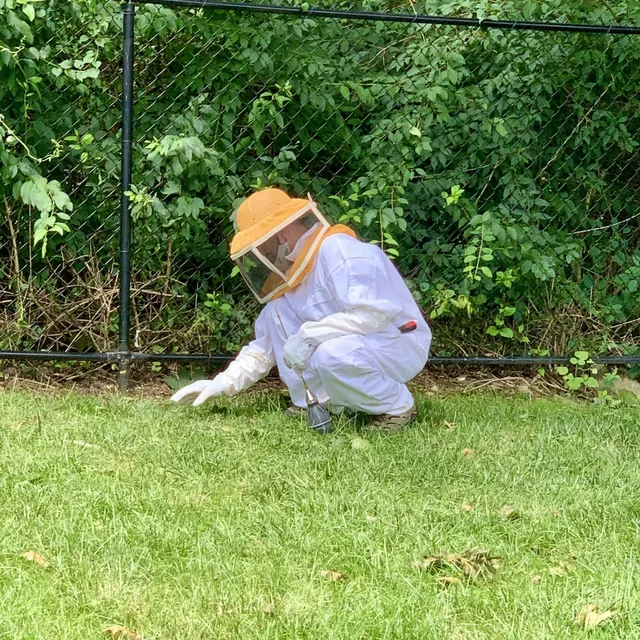
Stinging insects create a different kind of urgency. If you or a family member has been stung more than once near an eave, deck, shed, or landscaping feature, there may be a nearby nest. That matters even more if anyone in the household has an allergy. I would not recommend trial-and-error removal in that situation. Hornets, yellowjackets, and some wasp species can defend aggressively when a nest is disturbed.
Moisture problems are attracting secondary infestations
Some infestations are really moisture stories in disguise. Leaks under sinks, damp crawl spaces, poor drainage near foundations, and condensation around utility lines create ideal conditions for many pests. Roaches, silverfish, carpenter ants, termites, and centipedes all respond to excess moisture.
This is where experienced technicians earn their keep. They understand that successful control often depends on addressing the environmental conditions, not only applying product. If a crawl space remains wet, you can treat repeatedly and still see reinfestation. If mulch is piled against siding and downspouts are discharging near the foundation, insects will keep finding the same favorable habitat.
A homeowner may not connect a minor plumbing leak to the ants appearing around a bathroom baseboard. A professional usually will. That link between conditions and pest behavior is often what separates temporary relief from lasting control.
The infestation is affecting more than one part of the property
A problem that spreads across zones of the property is rarely simple. If pests are in the kitchen, attic, garage, and yard at the same time, there is usually a broader access or environmental issue. This is common on larger lots and on properties that back up to woods, water, or open fields.
For example, a home might have mice entering through foundation gaps, ants trailing in from landscape beds, and yellowjackets nesting near a retaining wall. These may sound like separate problems, but they can be tied together by the property layout, exterior maintenance, and seasonal pressure. Treating each symptom separately often leads to frustration and repeated spending without a lasting result.
Professional Pest Control Services Sussex County residents choose for ongoing protection usually look at the whole site. That includes not just interior treatment, but also inspection of the exterior envelope, vegetation contact with the house, entry points around utilities, grading, moisture conditions, and likely harborage areas.
You own a rental, manage a seasonal property, or care for an older home
Some properties deserve faster escalation simply because the stakes are higher. Rentals can turn a small pest issue into a tenant complaint, lease problem, or reputation issue very quickly. Seasonal homes are vulnerable because weeks may pass between visits, giving pests time to establish nests unnoticed. Older homes often have more hidden voids, aging seals, and structural quirks that pests exploit.
In these settings, waiting for certainty is usually a mistake. I have seen vacant or lightly used homes go from a few signs of mice in late fall to extensive contamination by winter. I have also seen carpenter bee activity around trim ignored for a season, only for woodpecker damage to make the cosmetic and repair costs much worse later.
If your property falls into one of these categories, the threshold for calling a professional should be lower. The cost of delay is often higher than people expect.
Quick signs that should move you from watchful to proactive
Sometimes it helps to separate mild concern from real action points. The following signs usually justify a professional inspection rather than more waiting:
- You keep finding fresh droppings, new trails, or repeat sightings after treatment.
- You hear scratching, buzzing, or movement inside walls, ceilings, or attic spaces.
- You notice wood damage, mud tubes, frass, gnaw marks, or torn insulation.
- You are dealing with bites, repeated stings, or pests near sleeping and living areas.
- The problem is spreading across multiple rooms or returning season after season.
None of these automatically means the worst-case scenario, but each one suggests the issue is established enough to warrant trained eyes on it.
Why timing matters more than many homeowners think
Pest problems rarely stay the same size. They either decline because conditions become less favorable, or they grow because the environment supports them. Most homes do not become less favorable on their own. Food remains available, water leaks continue, entry points stay open, and nesting sites remain protected.
That is why delay can be expensive. A mouse issue that might have required exclusion and modest trapping in October can become attic cleanup, insulation replacement, and odor remediation by January. A spring ant issue can spread deeper into wall voids during summer. A small yellowjacket nest under a shed lip can become a hazardous colony by late season.
There is also a practical scheduling reason. Many companies are busier during peak pest periods. Calling early often gives you more flexibility, especially if the solution requires follow-up visits, exclusion repairs, or monitoring.
What a competent pest control visit should actually involve
A good service call is not just a treatment and a receipt. It should begin with questions. When did you first notice the issue? Where have you seen activity? Has anything changed recently, such as renovations, weather events, plumbing leaks, or landscaping? Those details help narrow the likely pest and the extent of the problem.
The inspection should be thorough enough to identify evidence, probable entry points, and contributing conditions. Depending on the pest, that may include checking under sinks, in utility Pest Control Services Sussex County rooms, around attic hatches, along sill plates, near crawl space access points, around exterior door sweeps, and in landscape transitions close to the structure.
After that, the explanation matters. You should understand what pest is suspected, why the technician believes that, what treatment is recommended, and what limitations exist. Real professionals do not promise magic. They explain timing, follow-up needs, sanitation or exclusion recommendations, and what improvement should look like over the next days or weeks.
Choosing help based on the problem, not just the price
Price matters, but it should not be the only filter. The cheapest visit can become the most expensive option if it only masks activity and leaves the core issue untouched. On the other hand, not every situation requires an aggressive or ongoing program. A reputable provider will match the response to the actual problem.
Ask practical questions. Will they identify the pest and contributing conditions clearly? Do they inspect both inside and outside when necessary? If rodents are involved, do they address exclusion along with trapping? If moisture is part of the issue, will they point that out plainly? If termites or wood-destroying insects are suspected, do they explain the evidence and what further evaluation may be needed?
That level of clarity is often the difference between a transaction and a solution.
The small signs are usually the ones worth respecting
Most serious infestations do not begin with something dramatic. They begin with a faint scratching sound at night, a line of ants near a dishwasher, a few droppings behind stored paint cans, or a wasp entering the same siding gap more than once. Those details are easy to dismiss because they seem manageable. Sometimes they are. Often they are the early edge of a larger problem.
Knowing when to move from observation to professional action is one of the best ways to protect a home. If the evidence is repeating, spreading, causing damage, or affecting daily life, the situation has already moved beyond casual watchfulness. That is the moment to bring in experienced Pest Control Services Sussex County property owners can trust to diagnose the real issue and deal with it before it grows more disruptive and more expensive.
Affordable Pest Solutions LLC
Based in Budd Lake, New Jersey 07828
Service area: Sussex County, Morris County, and Warren County, New Jersey
+1 973-229-9547
FAQ About Pest Control Services Sussex County
What is included in a pest control service in NJ?
A visit generally starts with an inspection to identify the pest and assess activity, access points, and contributing conditions. The proposed service may include treatment, monitoring, exclusion recommendations, and follow-up. Ask which pests and areas are covered by the written quote.
How much does a pest controller charge in NJ?
Pricing depends on the pest, property size, severity of activity, and work required. A single treatment and an ongoing plan can have different costs and coverage. Request an inspection-based estimate that explains the included work, follow-up fees, and warranty terms.
How to prepare my home for pest control?
Ask for instructions specific to the planned service. The technician may need access to inspection areas and may ask you to move belongings or protect food and dishes. Mention pets, aquariums, and any household concerns beforehand. Follow the product label and the technician's instructions about leaving and re-entering treated areas.